The Divine and Spiritual Significance
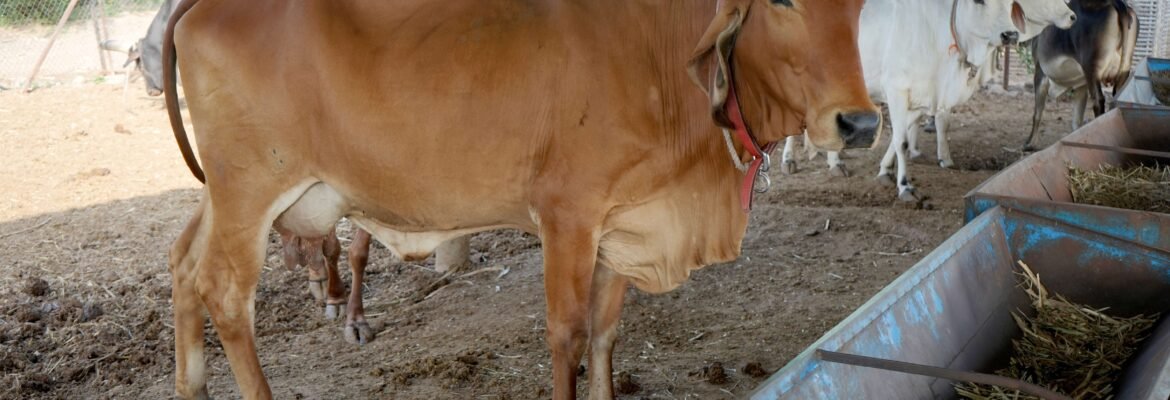
The veneration of the cow is deeply rooted in Hindu theology and ancient Vedic texts, where the cow is often described as the most beneficial and sacred of all creatures.
Embodiment of Divinity: In Hindu cosmology, the cow is believed to be the abode of 33 crore (330 million) deities, making her a walking temple. Worshipping the cow is thus considered an act equivalent to worshipping the entire pantheon of gods.
Wish-Fulfilling Mother: She is mythologically linked to Kamadhenu, the celestial wish-fulfilling cow, symbolizing abundance, fertility, and prosperity. This association underscores the cow’s role as a benevolent provider who nourishes life without expecting anything in return.
Panchagavya: The five sacred products derived from the cow—milk, curd, ghee, urine (gomutra), and dung (gobar)—collectively known as Panchagavya, are integral to religious rituals, purification ceremonies, and traditional Ayurvedic medicine, symbolizing purity and renewal.
Lord Krishna’s Companion: Lord Krishna, the divine cowherd, personifies the sacred bond between humanity and cattle. His life and stories, especially in Vrindavan and Gokul, reinforce the cow’s image as a loving companion and essential element of a righteous life.
🌾 The Backbone of the Rural Economy
Beyond spiritual reverence, the cow is an indispensable pillar of India’s rural, agrarian economy, embodying a sustainable, circular model of resource utilization.
Dairy and Nutrition: Cow’s milk is a primary source of protein and essential nutrients for millions of families, particularly in rural India. The dairy sector, built on the foundation of the cow, provides a steady supplementary income for smallholder farmers, acting as a crucial safety net against crop failure.
Sustainable Agriculture: Cow dung is a fundamental ingredient in natural and organic farming. It is used to create nutrient-rich manure (Farm Yard Manure/FYM) and organic fertilizers like Jivamrut, enriching the soil, promoting biodiversity, and drastically reducing the farmer’s dependence on expensive, chemical fertilizers and pesticides.
Bio-Energy and Fuel: Cow dung is a vital feedstock for biogas and Compressed Biogas (CBG) plants. This not only provides clean cooking fuel and electricity for rural households but also addresses waste management and contributes to India’s push for renewable energy under schemes like GOBAR-Dhan.
Draught Power (Bullocks): Historically and still in many parts of India, the bullock (male calf) provides essential draught power for ploughing fields, drawing water, and transport, making cattle integral to agricultural operations and rural mobility.
 Gau Mata in Modern India
Today, the commitment to Gau Mata is being translated into modern government initiatives like the Rashtriya Gokul Mission and the Rashtriya Kamdhenu Aayog. These programs aim to improve the health of indigenous cattle breeds, promote the scientific utilization of cow by-products, and help Gaushalas (cow shelters) become self-sustaining economic hubs.
Gau Mata remains an irreplaceable cultural anchor and a pragmatic ecological necessity, driving a vision of a sustainable, self-reliant (Atmanirbhar) India where tradition and prosperity move hand-in-hand.